If you’ve landed here searching for an honest Honest Amish Beard Oil review, you probably want one straightforward answer: does this oil actually soften a rough beard, calm itchy skin underneath it, and fix beardruff — or is it just another bottle with a nice story on the label?
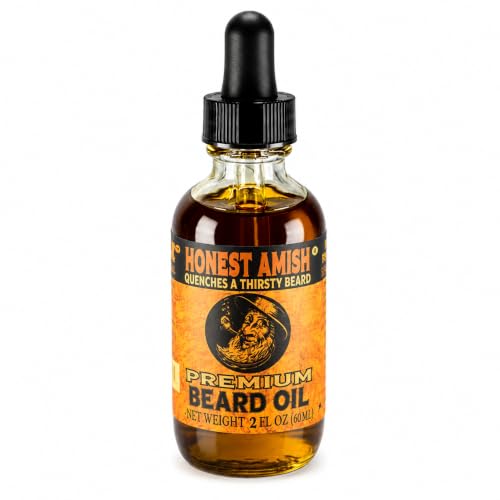
The short version: Honest Amish Classic Beard Oil is a natural, ingredient-dense conditioning oil built around seven carrier oils and seven essential oils, and it’s been a fixture in the beard-care category for over a decade. The manufacturer states it’s packed with fourteen premium natural and organic oils meant to nourish and strengthen your beard and skin, maintain healthy hair follicles, hydrate the skin beneath your beard to help avoid beardruff, and give the beard a healthy shine with a natural, outdoorsy scent. It’s not a miracle grower, and it won’t work identically for every beard or every nose — but for daily conditioning, it holds up well against the crowded field of natural beard oils.
- Hand Crafted in the USA
- Organic Ingredients
- All Natural Ingredients
Below, we break down the formula, what the ingredients actually do, how customer feedback trends, and where Classic Beard Oil fits compared to Honest Amish’s other variants and to a popular budget alternative, Viking Revolution.
Quick Verdict
| Product | Honest Amish Classic Beard Oil |
| Size | 2 oz (60 ml) glass bottle with dropper |
| Formula | 7 carrier oils + 7 essential oils (14 total ingredients) |
| Scent | Sweet, woodsy, spice-forward natural scent |
| Best for | Dry, coarse, or itchy beards; men who want a fragrance from essential oils rather than synthetic perfume |
| Texture | Medium-light oil; absorbs without heavy residue when used sparingly |
| Key strengths | Dense natural formula, strong reputation, affordable price, no synthetic fragrance |
| Main drawback | Essential-oil scent is polarizing and won’t suit everyone |
| Price range | Roughly $12–$19 depending on retailer (check current pricing before buying) |
| Overall assessment | A solid, well-established natural beard oil — worth trying for dry/itchy beards, less ideal if you want a neutral or designer-style scent |
Prices and stock change often, so it’s worth checking the current price on Amazon before you decide.
What Is Honest Amish Classic Beard Oil?
Honest Amish is a small, U.S.-based grooming brand that built its name almost entirely on this one product. Classic Beard Oil is the brand’s original, flagship formula — not to be confused with the Premium Beard Oil (a pricier, more exotic-oil blend) or the Pure Unscented Beard Oil (the fragrance-free version). We’ll cover the differences between all three in detail further down, since mixing them up is one of the most common mistakes shoppers make when searching for “Honest Amish beard oil.”
What sets the Classic formula apart from a lot of budget beard oils is simply how many oils are in it. The ingredient list is built specifically to nourish and strengthen the beard and the skin beneath it while giving the beard a natural shine. Instead of leaning on one or two carrier oils, it blends seven, then layers on seven essential oils for scent and character rather than synthetic fragrance.
Honest Amish Beard Oil Ingredients: What’s Actually in the Bottle
According to the official product listing, Classic Beard Oil’s ingredients are: Extra Virgin Organic Pumpkin Seed Oil, Refined Organic Avocado Oil, Sweet Almond Oil, Virgin Organic Apricot Kernel Oil, Kukui Nut Oil, Virgin Organic Argan Oil, Golden Organic Jojoba Oil, Cedarwood Essential Oil, Clove Bud Essential Oil, Star Anise Essential Oil, Grapefruit (Pink) Essential Oil, Bulgarian Lavender Essential Oil, Organic Cinnamon Leaf Essential Oil, and Organic Peppermint (Arvensis) Essential Oil.
Here’s what each carrier oil generally contributes, based on common ingredient analysis (not medical claims):
- Pumpkin seed oil — a light, nutrient-rich oil often used in beard products for its fatty-acid content and lightweight feel.
- Avocado oil — a heavier, richer oil known for deep conditioning; helps the blend feel more “cushioned” on coarse hair.
- Sweet almond oil — a classic emollient oil, widely used in skincare for softening and smoothing.
- Apricot kernel oil — light and fast-absorbing, similar in feel to almond oil.
- Kukui nut oil — a Hawaiian nut oil valued for penetrating quickly without feeling greasy.
- Argan oil — the beard-oil industry standard; prized for shine and softness with a light finish.
- Jojoba oil — technically a wax ester that closely mimics the skin’s natural sebum, which is why it’s a near-universal base in beard oils.
The seven essential oils — cedarwood, clove bud, star anise, pink grapefruit, Bulgarian lavender, cinnamon leaf, and peppermint — don’t add conditioning benefits in the same way the carrier oils do. Their job is almost entirely aromatic: they’re what gives Classic Beard Oil its signature scent instead of an added synthetic fragrance. It’s worth noting that ingredients like clove, cinnamon, and peppermint are also known potential skin irritants for some people, which is one reason Honest Amish sells a Pure Unscented version for sensitive skin (more on that below).
What Does Honest Amish Beard Oil Smell Like?
This is one of the most-searched questions about the product, and it’s genuinely a love-it-or-leave-it topic. Honest Amish describes the Classic Oil’s scent as a classic natural, sweet, and woodsy fragrance, noting that it shares the same scent notes as the brand’s beard balm.
In practice, published hands-on reviews and aggregated customer feedback describe the smell in fairly consistent but divided terms. Some describe it as a pleasant cedar-and-spice combination that fades to something subtle within an hour or two. Others find the clove and cinnamon notes land closer to something medicinal, or even compare it to pine tar. Neither reaction is “wrong” — essential-oil blends are simply more variable than synthetic fragrance oils, and individual skin chemistry changes how a scent develops over the day.
If you’re sensitive to strong smells, or you plan to layer this under cologne, that’s a good reason to consider the Pure Unscented variant instead of Classic.
How to Use Honest Amish Beard Oil
The application method matters more than people expect — using too much oil is the single most common reason people feel a beard oil is “too greasy.” The manufacturer recommends applying the product after a shower to a damp beard, starting with a dime-sized amount from the dropper, rubbing it between your hands, and spreading it evenly through the beard while also working it into the skin underneath.
A simple step-by-step:
- Wash your beard in the shower with a gentle cleanser (not just bar soap).
- Towel-dry so your beard is damp, not soaking wet.
- Start with a small amount of oil — you can always add more.
- Warm the oil between your palms for a few seconds.
- Work it through the beard from root to tip.
- Massage the remaining oil into the skin beneath the beard, where dryness and itch usually start.
- Comb or brush through to distribute evenly and train the hair.
Practical starting-point dosage by beard length (these are general guidelines, not official manufacturer dosing):
| Beard length | Suggested starting amount |
|---|---|
| Stubble / short beard (under 1″) | 2–3 drops |
| Medium beard (1″–3″) | 4–6 drops |
| Long/full beard (3″+) | 6–10 drops, or a dime-sized pool |
If your beard is coarse, coily, or on the drier side, you’ll likely land at the higher end of each range.
Check today’s price on Amazon if you’re ready to try a bottle for yourself.
Does Honest Amish Beard Oil Actually Work?
It helps to separate “works” into the specific things a beard oil can realistically do, versus what it can’t.
Softness: This is where beard oils generally perform best, and Classic Beard Oil is no exception. Published reviews and customer feedback consistently mention a noticeable softening effect, particularly on coarse or wiry hair.
Conditioning: The blend of seven carrier oils gives it more conditioning depth than single-oil products (jojoba-only oils, for example). Beard hair itself is dead keratin, so “conditioning” here means coating the shaft to reduce friction and frizz, not altering it biologically.
Skin hydration: Multiple reviewers report that working the oil into the skin — not just the hair — meaningfully reduces the tight, flaky feeling common with beard growth.
Itch and dryness: This is one of the product’s most cited strengths in customer feedback. Beard itch is often caused by dry skin under the beard rather than the hair itself, and a well-absorbed oil applied to the skin (not just the hair) is a reasonable way to address that.
Beardruff: Similarly, since beardruff is essentially dandruff of the beard-covered skin, keeping that skin moisturized is the mechanism by which oils like this one help — it’s a cosmetic and skin-comfort effect, not a treatment for underlying dermatological conditions like seborrheic dermatitis.
Shine: Argan and jojoba oil both contribute a natural, non-greasy shine when used in moderate amounts.
Manageability: Softer, less frizzy hair is easier to style and comb, which is a commonly repeated benefit in feedback.
Greasiness/absorption: This is where usage amount matters most. Reviewers who apply a small amount to a slightly damp beard generally report it absorbs well; those who use too much on a fully dry beard are more likely to describe it as heavy or oily.
Worth remembering: none of this replaces basic beard hygiene. Dermatologists recommend washing your face and beard daily and following up with a beard oil, conditioner, or moisturizer as part of a simple skin care routine, since problems like dandruff, ingrown hairs, and itch develop from the skin beneath the beard, not the hair itself.
Does Honest Amish Beard Oil Help Beard Growth?
Short answer: not in the way “grow a thicker beard” marketing implies, and you should be skeptical of any beard oil that claims otherwise.
Beard density, thickness, and growth rate are driven primarily by genetics and hormones (specifically testosterone and DHT sensitivity in facial follicles) — not by topical oils. No beard oil, including this one, creates new hair follicles or changes how many follicles you have. Dry, irritated skin is a common and treatable condition, and moisturizing it is a reasonable way to keep skin comfortable and healthy, but that’s a separate issue from the biological process that determines hair growth.
What a well-formulated oil can realistically do is improve the health and appearance of the hair you already have and the skin it grows from — reducing breakage from dryness, keeping existing strands from looking brittle, and creating a better environment for hair to grow into (less inflamed, less flaky, less itchy skin). That’s a meaningful benefit, just not the same thing as “growth.”
If your actual goal is filling in patchy areas or maximizing growth potential, that’s a different conversation involving genetics, minoxidil-based products, or dedicated growth systems — our guide to the best beard growth kits covers that ground in more depth, including our Beard Club Growth Kit Review if you want to compare a growth-focused system against a conditioning oil like this one.
- Hand Crafted in the USA
- Organic Ingredients
- All Natural Ingredients
Honest Amish Beard Oil Pros and Cons
Pros:
- Dense, ingredient-rich formula (14 total oils) compared to many single- or dual-oil competitors
- Strong, decade-plus reputation in the natural beard-care space
- No synthetic fragrance — scent comes entirely from essential oils
- Genuinely helps with beard-related dryness, itch, and beardruff symptoms for most users
- Reasonably priced for the ingredient list and bottle size
- Glass bottle and dropper rather than plastic, which some buyers specifically prefer
- Works across a range of beard lengths, from stubble to full beards
Cons:
- Scent is polarizing — some love the woodsy-spice profile, others find it too strong or medicinal
- Essential oils like clove and cinnamon carry a small risk of irritation for sensitive skin
- Glass dropper bottles require a bit more care than pump or squeeze bottles
- Very dry or coarse beards may go through the 2 oz bottle faster than expected
- No unscented option within the Classic line itself (you’d need to switch to Pure Unscented)
Honest Amish Classic vs Premium vs Pure Unscented
This is where a lot of buyers get confused, since all three share the “Honest Amish beard oil” name.
| Classic | Premium | Pure Unscented | |
|---|---|---|---|
| Formula | 7 carrier oils + 7 essential oils | 7 carrier oils + vanilla absolute/cedarwood | 7 carrier oils only |
| Scent | Sweet, woodsy, outdoorsy | Deep, woodsy, spiced blend | Nearly scentless |
| Standout ingredients | Pumpkin seed, avocado, argan, jojoba | Moringa, baobab, sea buckthorn, rosehip, black cumin, argan | Same base oils as Classic, minus essential oils |
| Best for | Everyday users who like a natural, herbal scent | Buyers wanting a more exotic oil blend and richer scent | Sensitive skin, fragrance-free workplaces, layering with cologne |
| Price (2 oz, official site) | $13.87 | $19.77 | $13.57 |
If you’re specifically searching for “Honest Amish Classic Beard Oil review,” Classic is the right starting point for most people — it’s the original formula, the best-reviewed of the three, and the middle ground in both scent intensity and price. Premium is worth a look if you want a more luxurious oil blend and don’t mind paying more. Pure Unscented is the obvious pick if essential oils bother your skin or you simply don’t want any added fragrance.
Honest Amish Beard Oil vs Viking Revolution
Viking Revolution is one of the most common alternatives people compare against Honest Amish, largely because it’s cheaper and widely available. In short: Honest Amish generally wins on ingredient depth and natural formulation, while Viking Revolution tends to appeal to buyers who want a more neutral, mass-market scent and a lower price point.
That’s a simplified summary, though — the two products differ in carrier-oil selection, scent profile, and overall value depending on your beard type and budget. For a full side-by-side, our dedicated Honest Amish vs Viking Revolution Beard Oil comparison breaks down the ingredients, pricing, and user feedback for both in detail.
Who Should Buy It?
- Men with dry, coarse, or itchy beards looking for a natural conditioning oil
- Buyers who prefer essential-oil scents over synthetic fragrance
- Anyone dealing with beardruff caused by dry skin under the beard
- People who want a well-established, widely reviewed product rather than a newer, unproven brand
- Beard growers who want daily conditioning as part of a broader routine, not a growth “treatment”
- Hand Crafted in the USA
- Organic Ingredients
- All Natural Ingredients
Who Should Skip It?
- Anyone with fragrance sensitivities or a history of irritation from essential oils like clove or cinnamon — try Pure Unscented instead
- People expecting a beard-growth product rather than a conditioning oil
- Buyers who strongly prefer a neutral or “no scent at all” product straight out of the bottle
- Anyone who’s had reactions to nut-derived oils, given the kukui nut oil in the formula (check the full ingredient list against any known sensitivities first)
- Men who want an all-in-one kit rather than a standalone oil — in that case, it’s worth comparing full systems like the Beard Club vs Wild Willies Beard Kit or browsing our roundup of the best men’s grooming kits on Amazon
Customer Feedback Patterns
Customer feedback across retailers is fairly consistent, and it’s worth presenting both sides honestly rather than cherry-picking the positives.
Recurring positive themes: Customer feedback commonly mentions noticeably softer beards after regular use, reduced dryness and itch under the beard, a pleasant (if strong) natural scent, and good value given how far a 2 oz bottle stretches with sparing use.
Recurring negative or mixed themes: Some reviewers describe the scent as too strong or not to their taste, occasionally comparing certain notes to something medicinal rather than “fresh.” A smaller number of reviews mention the oil feeling heavy or greasy — almost always tied to over-application on a fully dry beard rather than a damp one. A few buyers also note that very dry, coarse, or graying beards may need more oil per use, which affects how long the bottle lasts.
None of this is unique to Honest Amish — scent subjectivity and greasiness-from-overuse are common complaints across nearly every natural beard oil on the market. The consistency of the positive itch/dryness/softness feedback, though, is a meaningful signal for anyone specifically dealing with those issues.
Is Honest Amish Beard Oil Worth Buying? Final Verdict
Based on the ingredient formula, official product information, and the pattern of published and customer reviews, Honest Amish Classic Beard Oil earns its reputation as one of the more substantial natural beard oils on the market — not because of any single miracle ingredient, but because of the sheer breadth of its carrier-oil blend and its consistent track record with dry-beard and itch complaints.
It’s not going to grow you a fuller beard, and its strong essential-oil scent won’t suit everyone. But if you’re dealing with a dry, itchy, or coarse beard and want a natural, non-synthetic option at a fair price, it’s a reasonable, well-tested choice — one that’s earned its place as a category staple rather than a trend.
See current availability on Amazon if you want to compare pricing before your next beard-care restock.
FAQs
Is Honest Amish Beard Oil good?
Yes, for its intended purpose — daily conditioning of the beard and the skin beneath it. It’s not a growth product, but as a conditioning oil, it’s well-regarded and backed by a long track record.
Is Honest Amish Beard Oil good for dry beards?
Yes. Its blend of seven carrier oils, including avocado, argan, and jojoba oil, is specifically suited to conditioning coarse or dry facial hair and the skin underneath.
Does Honest Amish Beard Oil help beard growth?
Not in the sense of creating new hair growth or increasing density — that’s determined by genetics and hormones. It can improve the look and feel of existing hair and support healthier skin, which indirectly supports a better-looking beard as it grows.
How many drops should I use?
Start small — around 2–3 drops for stubble, 4–6 for a medium beard, and 6–10 (or a dime-sized amount) for a long or full beard. Adjust based on how dry or coarse your beard is.
How often should I use Honest Amish Beard Oil?
Most users apply it once daily, ideally after a shower while the beard is still slightly damp. Some people with very dry beards apply it twice a day.
What does Honest Amish Beard Oil smell like?
The Classic formula has a sweet, woodsy, spice-toned scent from its blend of cedarwood, clove, star anise, grapefruit, lavender, cinnamon, and peppermint essential oils. Scent perception varies a lot from person to person.
Is Honest Amish Beard Oil greasy?
Not when used correctly — a small amount worked into a damp beard typically absorbs well. Using too much oil on a completely dry beard is the most common cause of a greasy feel.
Honest Amish Classic vs Pure Unscented — which should I get?
Choose Classic if you want the natural essential-oil scent and don’t have fragrance sensitivities. Choose Pure Unscented if you have sensitive skin, want to layer cologne on top, or simply prefer no added fragrance at all — it uses the same seven carrier oils without any essential oils.
This review is based on official manufacturer product information, published hands-on reviews, and aggregated customer feedback. It has not been independently lab-tested by Glamourora. Always patch-test new skincare and grooming products, especially if you have sensitive skin or known essential-oil sensitivities.