
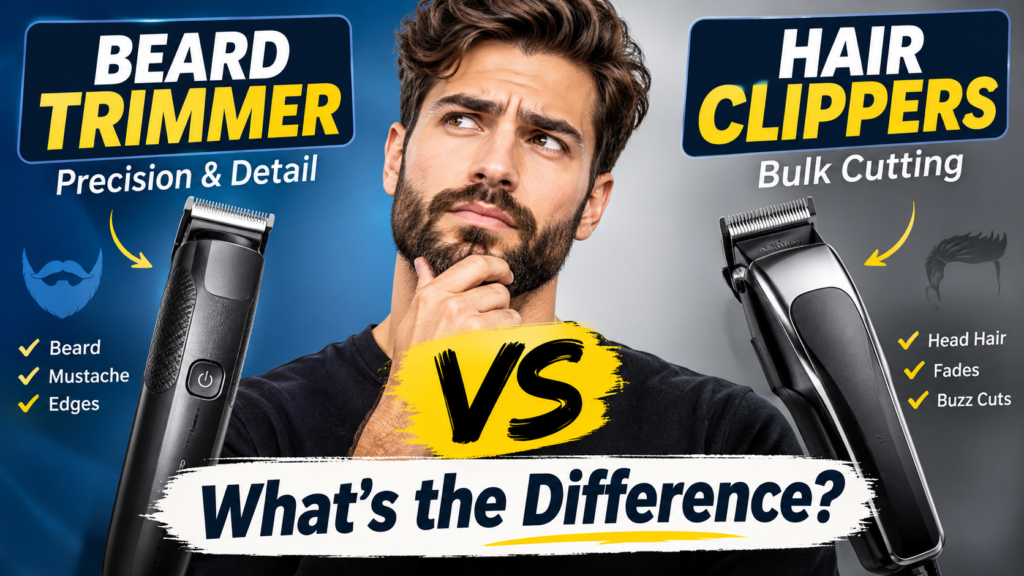
If you’re weighing a beard trimmer vs. hair clippers, the short answer is that a trimmer is built for precision on facial hair, while clippers are built for speed and bulk on the head. The two look alike, and some models blur the line, but each is designed for different jobs.
This guide explains how the blades, motors and guards differ, which tool fits your beard length and hair type, and when one device is enough. Glamourora is an independent editorial site, so we explain trade-offs rather than crown a universal winner.
Beard Trimmer vs. Hair Clippers: Quick Comparison
These are general tendencies, not specifications. Individual models vary widely.
| Feature | Beard Trimmer | Hair Clippers |
|---|---|---|
| Primary job | Shaping, edging, stubble upkeep | Cutting bulk head hair |
| Blade width | Usually narrower | Usually wider |
| Motor focus | Controlled, fine cutting | Power through thicker volume |
| Length control | Often fine steps for short lengths | Often guards built for longer lengths |
| Detail work | Strong | Limited |
| Speed on a full head | Slow | Fast |
| Best for | Beards, mustaches, necklines | Buzz cuts, fades, taper work |
| Main weakness | Inefficient on a full haircut | Clumsy around lips and jawline |
What Is a Beard Trimmer?
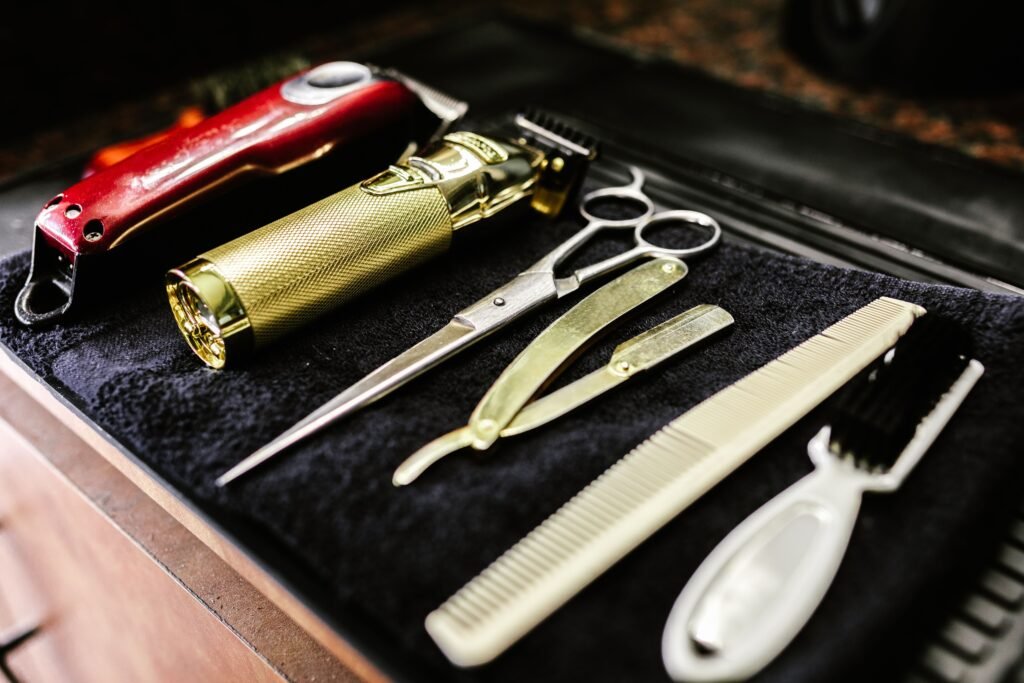
A beard trimmer is a small, lightweight device designed for facial hair. Manufacturers such as Philips describe trimmers as having narrower blades and adjustable length settings for work around the mustache, sideburns and cheek lines.
Most come with guard combs, and many offer fine adjustments for short stubble. Some include detail heads for edging. If you’re shopping, our roundup of the best electric beard trimmers for men compares current options.
What Are Hair Clippers?
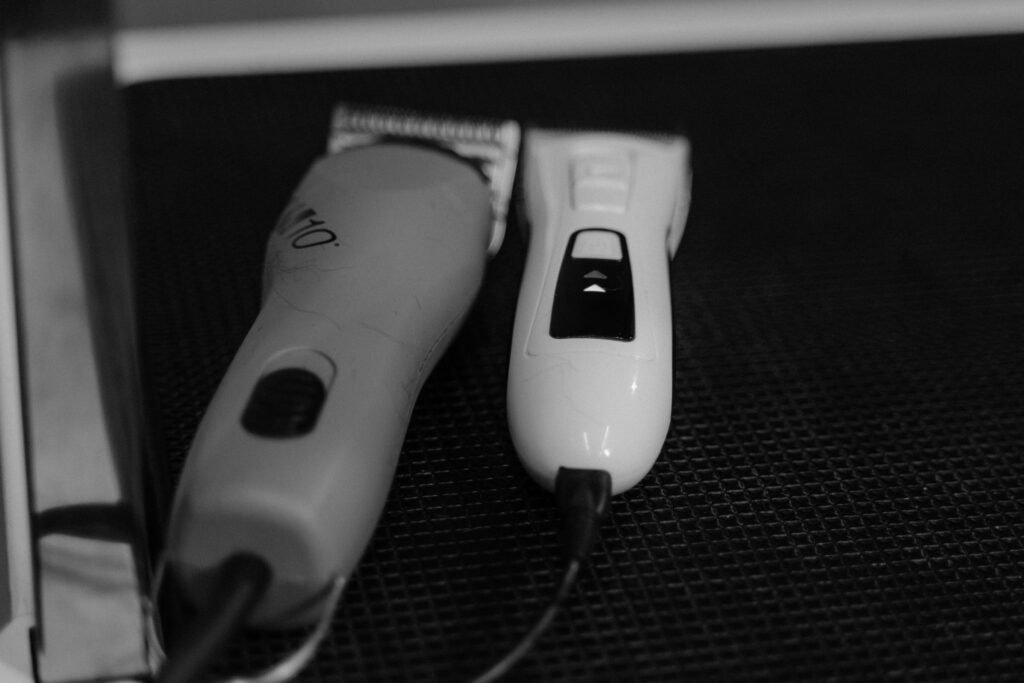
Hair clippers are made to remove larger volumes of head hair quickly. They typically have wider blades, stronger motors and a set of numbered guards for different lengths. That setup suits buzz cuts, tapers and fades.
Home users often want a durable model that holds up to regular cuts. Our guide to the best professional hair clippers for home use covers that side of the category.
Key Differences Between Beard Trimmers and Hair Clippers?
Sources don’t describe the split identically. Which? says clippers are designed for long hair and full beards, while trimmers suit shorter hair and styling. Which? also notes that some trimmers can be used on head or body hair. Its testing covered beard trimmers, not clippers. Both points reflect the real situation: the categories overlap, so check the manufacturer’s intended use for any model you buy.
Blade Size and Design
Width is the most visible difference. Retailer Currys says trimmer blades typically run around 32–40 mm, with clipper blades often 45 mm or wider. Treat those as rough ranges, not rules, since blade sizes differ by brand and model.
A narrow blade follows curves such as the jaw, upper lip and neckline. A wide blade covers more scalp per pass but is harder to steer in tight spots.
Motor Power and Cutting Performance
Clipper motors are generally tuned to pull through thick, dense head hair without snagging. Trimmer motors are generally tuned for controlled cutting on shorter hair. Manufacturers rarely publish comparable motor data across brands, so use motor claims as marketing language rather than a ranking.
In practice, what you’ll notice is whether the tool bogs down on dense hair or tugs on coarse beard hair. If a product’s reviews mention pulling or stalling, take that seriously.
Cutting Length and Guard Attachments
Trimmers often emphasize fine steps at short lengths. Which? lists beard trimmers whose ranges vary a lot by model, from about 0.2 mm at the shortest to as much as 30 mm at the longest. Clipper guard sets are usually organized around longer cuts, and the numbering system differs by brand.
Check the guard range before buying. A clipper whose shortest guard is longer than your stubble length won’t give you the look you want.
Precision and Styling
Trimmers win here. Cheek lines, necklines and mustache edges depend on a small, maneuverable head. A barber tip from Currys makes the same point: most DIY mistakes happen at the edges, so professionals often use precision trimmers for detailing even when clippers handle bulk.
Size, Weight and Handling
Trimmers are typically smaller and lighter, so they’re easier to hold at awkward angles around the face. Clippers are usually larger and heavier, which feels stable on the scalp but can be tiring for detailed facial work.
Beard Trimmer vs. Hair Clippers: Which Is Better for Different Needs?
Short Stubble
A trimmer is generally the better fit. Consistent stubble depends on even, close settings and clean edges, and trimmers are usually designed for that. A clipper can do it with the right guard, but you’ll have less control around the lips and neckline.
Medium and Long Beards
This is where the gap narrows. Clippers can remove bulk quickly on a longer beard, while a trimmer handles shaping and edges. Many men with fuller beards use both: clippers for the body, trimmer for the lines. If you’re working on length and upkeep, our complete guide to maintaining a beard covers the routine.
Thick and Coarse Beards
Dense, wiry hair tests any tool. A clipper’s power can help with volume, but a trimmer gives you the finishing control. If you go with a trimmer, look for one built for dense hair. We cover options in our guide to beard trimmers for thick and coarse beards. Combing before cutting and working in sections helps with either tool.
Buzz Cuts and Fades
Clippers are the practical choice. The wide blade and guard system are made for this. A trimmer can finish the neckline and ears after the clippers have done the bulk work.
Can You Use Hair Clippers to Trim Your Beard?
Yes, with limits. Clippers can reduce beard bulk, and some men use them for an all-over short beard with a single guard. They struggle with precision: the lip area, the cheek line and the neckline are hard to shape with a wide blade.
Can a Hair Clipper Replace a Beard Trimmer? Real-World Scenarios
- You keep a uniform short beard. A clipper with the right guard can handle it. You’ll want something small to clean up the edges, or a barber visit now and then.
- You wear a longer, fuller beard. A clipper is efficient for bulk. Detailing the neckline and cheeks with the same tool risks taking off too much.
- You like sharp lines. A clipper will frustrate you. Edging is the job a trimmer does best.
- You have a goatee or a styled mustache. The tight geometry calls for a trimmer.
- You’re traveling light. A clipper alone works if you accept less detail. A compact trimmer or small kit packs easier.
Currys also points out that beard density varies across the face, so one guard length everywhere may not look best. A smaller tool makes it easier to vary length by zone.
Can You Use a Beard Trimmer to Cut Your Hair?
For very short hair, sometimes. Philips says a beard trimmer can handle very short styles or neckline cleanup but isn’t designed for full haircuts. T3’s hair expert interview puts it bluntly: a full haircut with a beard trimmer would take about twice as long.
Where a trimmer does help is on the edges of a short cut: around the ears, the nape and the sideburns. If a trimmer is marked suitable for head hair by its manufacturer, it can do more, but speed and coverage will still lag behind clippers.
Do You Need Both a Beard Trimmer and Hair Clippers?
It depends on your routine:
- Beard only, no home haircuts: a good trimmer is enough.
- Short hair cut at home, minimal facial hair: clippers cover you.
- Beard plus regular home haircuts: separate tools tend to give the best results.
- Limited space or budget: a multi-groomer or kit can bridge both.
Are All-in-One Grooming Kits Worth Buying?
Often, for casual use. A kit gives you one handle, multiple heads and guards, and usually a lower total cost than buying separate tools. The trade-off is that kit components may not match the performance of dedicated devices, and you may pay for heads you’ll never use.
Before buying, check whether the kit’s head hair attachments are intended for haircuts or only light trimming. Our picks of the best all-in-one grooming kits for men can help you compare.
For a clean cost comparison, add up what you’d pay for a decent trimmer and a decent clipper separately, then compare with the kit. Kits tend to win on price and convenience. Separate tools tend to win on performance.
How to Choose the Right Grooming Tool
- Start with your main job. Beard detail, head hair, or both?
- Check the intended use. Confirm the manufacturer says the tool is meant for the area you want to groom.
- Look at the length range. Make sure the guards cover the lengths you actually wear.
- Think about skin. If you have sensitive skin, look for rounded blade tips and test a longer setting first. Skin response varies by person, so stop if irritation appears.
- Consider battery and charging. A longer runtime matters if you groom in long sessions or travel.
- Set a realistic budget. Beginners don’t need to overspend. Our list of the best budget beard trimmers under $50 is a sensible starting point.
Common mistakes: using a wide clipper for neckline detail, starting too short and having no room to correct, skipping blade cleaning, trimming damp hair with a tool that isn’t rated for it, and assuming any “hair and beard” label means the tool excels at both.
How to Clean and Maintain Your Trimmer and Clippers
Maintenance affects performance as much as the tool itself:
- Brush the blades after each use to clear loose hair.
- Oil the blades if the manufacturer recommends it. Follow the manual for frequency and the correct oil.
- Rinse only if the device is rated waterproof. Otherwise, brush and wipe.
- Let parts dry fully before storing.
- Charge according to the manual, and avoid leaving a device in a hot, humid bathroom for long periods.
- Replace guards or blades if they crack, dull or tug.
Final Verdict: Which One Should You Buy?
Buy a beard trimmer if your priority is a shaped, maintained beard. Buy hair clippers if you cut your own hair or keep a buzz cut or fade. Buy both if you do both regularly and care about results. Consider a kit if budget, space or travel matter more than peak performance.
For another perspective on the same question, you can also read Skull Shaver’s trimmer vs. clipper guide. Whatever you choose, verify the specs for the exact model before you buy.
Frequently Asked Questions
1. Is a beard trimmer the same as a hair clipper?
No. They share a basic mechanism, but trimmers are generally built for precise facial grooming and clippers for bulk head hair.
2. Can I use hair clippers to trim my beard?
Yes, for bulk and uniform lengths. Expect less control around edges, lips and neckline.
3. Can a beard trimmer cut head hair?
It can handle very short hair or edges, but a full haircut is slow. Check whether the manufacturer rates the model for head hair.
4. Which is better for short stubble?
A trimmer, because it typically offers finer control and cleaner edging.
5. Are hair clippers better for thick beards?
Clippers can remove bulk faster, but a trimmer is still better for shaping. Many people with thick beards use both.
6. Do I need both a beard trimmer and hair clippers?
Only if you maintain a beard and cut your hair at home. Otherwise one tool, or a kit, may be enough.
7. Can hair clippers give a close shave?
No. Clippers cut to a set length and aren’t designed to leave bare skin. For a close shave, use a shaver or razor.
8. Are all-in-one grooming kits worth buying?
For casual use, budget and travel, often yes. If you want the best results from both a beard and a haircut, dedicated tools usually perform better.